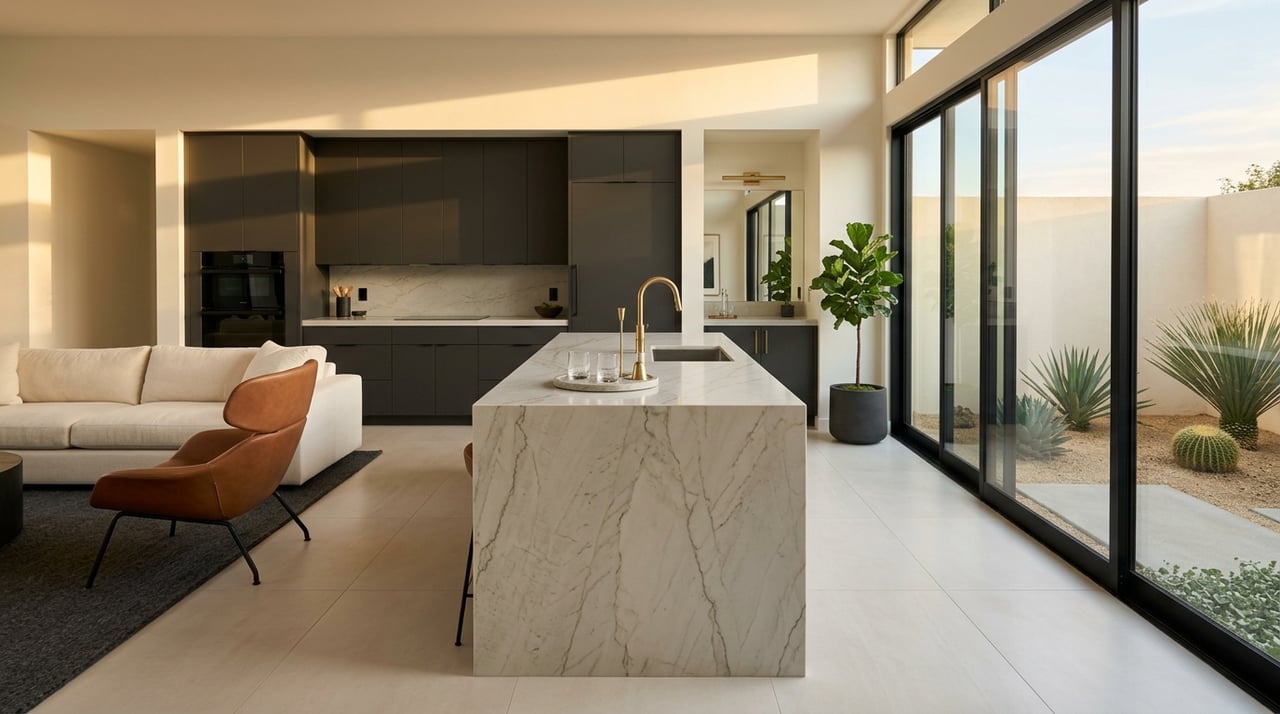
Selling a home in Glendale can feel like a race against the clock, but in today’s market, speed usually comes from smart preparation, not rushing. If homes are taking several weeks to sell and often closing below list price, the way your home looks, feels, and functions matters even more. The good news is that you likely do not need a massive remodel to make a strong impression. You need a focused plan that helps your home show well, photograph well, and avoid preventable issues once offers come in. Let’s dive in.
Why prep matters in Glendale
Glendale is not a market where most homes sell instantly. Recent local data shows homes averaging about two offers, around 58 days to sell, and sale prices landing about 2% below list on average. Another local listing snapshot shows more than 1,200 active homes and a median days-on-market figure of 44 days.
That means buyers usually have options. When your home is clean, well-presented, and priced with discipline, you give yourself a better chance to stand out without over-investing in projects that may not pay off.
Focus on high-impact updates
National seller-prep data points to a simple pattern. The projects most often recommended before selling include painting the entire home, painting one room, and new roofing. At the same time, common staging recommendations include decluttering, full-home cleaning, and improving curb appeal.
For many Glendale sellers, the best starting point is not a full renovation. It is a list of visible, practical improvements that help buyers notice the home itself instead of distractions.
Start with the basics
Before you price out bigger work, handle the items buyers will notice right away:
- Deep clean the entire home
- Declutter each room
- Remove personal items that distract in photos
- Touch up scuffed walls and trim
- Replace burnt-out light bulbs
- Repair small items like loose handles or squeaky doors
- Brighten darker spaces with lighting and open window coverings
Staging research also found that many agents saw benefits in both price and time on market. Some reported higher offers after staging, and many said staging reduced time on market.
Use this Glendale home selling checklist
Exterior and curb appeal
Your exterior sets the tone before buyers step inside. It also matters for listing photos, drive-bys, and showings.
Glendale code compliance requires weeds and grass to be kept at six inches or less, dead vegetation to be removed, and front yards not to have exposed dirt. The city also requires peeling exterior paint to be addressed and fences or walls to be structurally sound.
Exterior prep checklist
- Mow and edge the yard
- Remove weeds and dead plants
- Cover or correct bare dirt areas in the front yard as needed
- Sweep walks, porches, and driveways
- Touch up peeling exterior paint
- Make sure fences and walls are stable and presentable
- Clean windows and the front door
- Add a fresh doormat or simple entry accent
- Store trash bins out of sight for photos and showings
If you have larger items to remove, Glendale offers monthly bulk trash service. That can be especially helpful for clearing out old furniture, brush, or extra items before photos.
Check pool and structure items
If your home has a pool, the city says the barrier must be at least five feet high with self-closing and self-latching gates. If you have an added structure, remember that structures over 120 square feet need a permit, and fences or walls over six feet require a permit.
These details may not be part of your staging plan, but they are worth checking early so you are not surprised later.
Living areas that matter most
The living room is the most important room to stage according to buyers’ agents, and it is also the most commonly staged room. That matters because buyers often decide how they feel about a home within the first few moments of walking in.
Your goal is to make the main living area feel open, bright, and easy to understand. Buyers should be able to picture how the space functions without working through clutter or oversized furniture.
Living room checklist
- Remove excess furniture to open walking paths
- Clear tabletops and shelves
- Use simple, neutral decor
- Hide cords and small electronics
- Clean rugs and flooring
- Open blinds or curtains for natural light
- Add lamps if the room feels dim
Staging research found that most buyers’ agents believe staging helps buyers visualize the property as a future home. It also makes buyers more likely to walk through a home they first saw online.
Kitchen and bath prep
Kitchens and bathrooms carry a lot of visual weight. They are among the top spaces buyers pay attention to, and kitchen upgrades and bathroom renovations have also seen stronger demand in seller-prep data.
That does not mean you need a full remodel before listing. In many cases, a cleaner, brighter, more polished version of what you already have is the better move.
Kitchen checklist
- Clear countertops except for a few simple items
- Clean appliance fronts and inside the oven if needed
- Wipe cabinets, backsplash, and hardware
- Organize the pantry and visible storage areas
- Replace worn cabinet pulls or light fixtures if needed
- Make sure every light works
Bathroom checklist
- Scrub tile, tubs, sinks, and toilets
- Refresh caulk or grout where needed
- Remove most counter items
- Replace worn towels with clean, simple ones
- Fix drips or running toilets
- Check mirrors and glass for streaks
These updates help a home feel cared for, which can influence how buyers view the rest of the property.
Bedrooms, closets, and flex spaces
The primary bedroom ranks just behind the living room in staging importance. Guest bedrooms matter less, so your effort should go first to the spaces buyers are most likely to remember.
In the primary suite, aim for calm and spacious. In secondary rooms, keep the setup simple and flexible so buyers can imagine different uses.
Bedroom checklist
- Remove extra furniture
- Make beds neatly with simple bedding
- Clear off dressers and nightstands
- Put away personal photos and highly specific decor
- Keep closets tidy and not overstuffed
Flex room checklist
- Give the room one clear purpose
- Avoid mixing office, storage, and workout equipment in one space
- Keep furniture minimal to show floor area
- Use neutral styling that does not limit buyer imagination
Systems and function checks
A beautiful home can still create concerns if basic systems do not work properly. Arizona’s buyer checklist advises buyers to confirm that appliances work and that water and irrigation operate properly.
Before listing, test the items that buyers are likely to try during a showing or inspection.
Function checklist
- Test kitchen appliances
- Run sinks and showers
- Check for leaks under sinks
- Test irrigation and outdoor watering systems
- Confirm toilets flush properly
- Replace HVAC filters if needed
- Make sure doors, locks, and windows operate smoothly
Arizona’s buyer guidance also says buyers may consider termite and professional home inspections. While not every seller does pre-listing inspections, it can still help to identify obvious concerns early so you can decide how to handle them before they affect negotiations.
Be photo-ready before you list
Online presentation matters because buyers often decide which homes to visit based on photos. Since staging can make people more willing to walk through a home they saw online, it makes sense to prepare your home for photos before it goes active.
Try to have every major room fully ready before photography. It is much easier to launch strong than to fix presentation after the listing is live.
Photo-day checklist
- Remove cars from the driveway
- Hide trash cans and hoses
- Put away pet items
- Clear kitchen and bath counters
- Turn on lights throughout the home
- Open blinds where appropriate
- Straighten pillows, chairs, and bedding
- Do one last sweep for cords, clutter, and laundry
Handle disclosures early
Seller prep is not just about appearance. In Arizona, disclosure is a key part of a smooth sale.
The Arizona Department of Real Estate says buyers should receive a Seller’s Property Disclosure Statement, and the standard Arizona resale contract calls for delivery within five days after acceptance. Sellers must also disclose known material facts and latent defects that are not readily observable.
Disclosure checklist
- Start gathering property records early
- Make note of known repairs, issues, or defects
- Review roofing, HVAC, plumbing, and major system history
- Ask about HOA resale document timing if the property is in an HOA
- Prepare lead-based paint disclosures if the home was built before 1978
If your property is in an HOA, Arizona law requires the association to provide resale documents within 10 days after notice of a pending sale. That package can include governing documents, assessments, budget details, reserve study information, and litigation summary, and the association may charge fees.
For homes built before 1978, known lead-based paint information must be disclosed before contract ratification. If prep work disturbs old paint, lead-safe work practices may also apply.
Know when bigger projects make sense
Not every home needs major updates before listing. In Glendale’s current market, large projects often make the most sense when the home has obvious wear, a clearly dated feature, or a condition problem buyers will notice right away.
Seller-prep research shows demand for kitchen upgrades, roofing work, and bathroom renovation, but the smarter move is usually to ask whether the issue is hurting first impressions or likely to come up in negotiation. If not, lower-cost improvements may be the better path.
Work from a plan, not stress
A strong sale usually comes from doing the right things in the right order. Start with cleaning, decluttering, curb appeal, and basic repairs. Then make sure the home is photo-ready, function-ready, and disclosure-ready.
That approach fits Glendale’s current pace and gives you a practical way to protect value without doing more than the market is likely to reward. If you want a calm, strategic plan for selling in Glendale, Tag Team AZ can help you prioritize prep, pricing, marketing, and the details that keep your sale moving smoothly.
FAQs
What should you fix before selling a home in Glendale, AZ?
- Focus first on cleaning, decluttering, paint touch-ups, curb appeal, lighting, and small repairs buyers will notice right away.
How long does it take to sell a home in Glendale, AZ?
- Recent local market data shows homes selling in roughly 58 days on average, with another local snapshot showing a median of 44 days on market.
Is staging worth it for a Glendale home sale?
- Staging can help buyers visualize the home, may reduce time on market, and some agents reported that staging increased the dollar value offered.
What disclosures do Arizona home sellers need to prepare?
- Arizona sellers should be ready to provide a Seller’s Property Disclosure Statement and disclose known material facts and latent defects that are not readily observable.
What if your Glendale home is in an HOA?
- If your home is in an HOA, the association must provide resale documents after notice of a pending sale, and those documents may include fees, rules, budget information, and other community records.
Should you remodel your kitchen before listing a home in Glendale?
- Not always. For many sellers, cleaning, organizing, improving lighting, and handling small updates offer a better return unless the kitchen has obvious wear or a condition issue buyers will notice immediately.