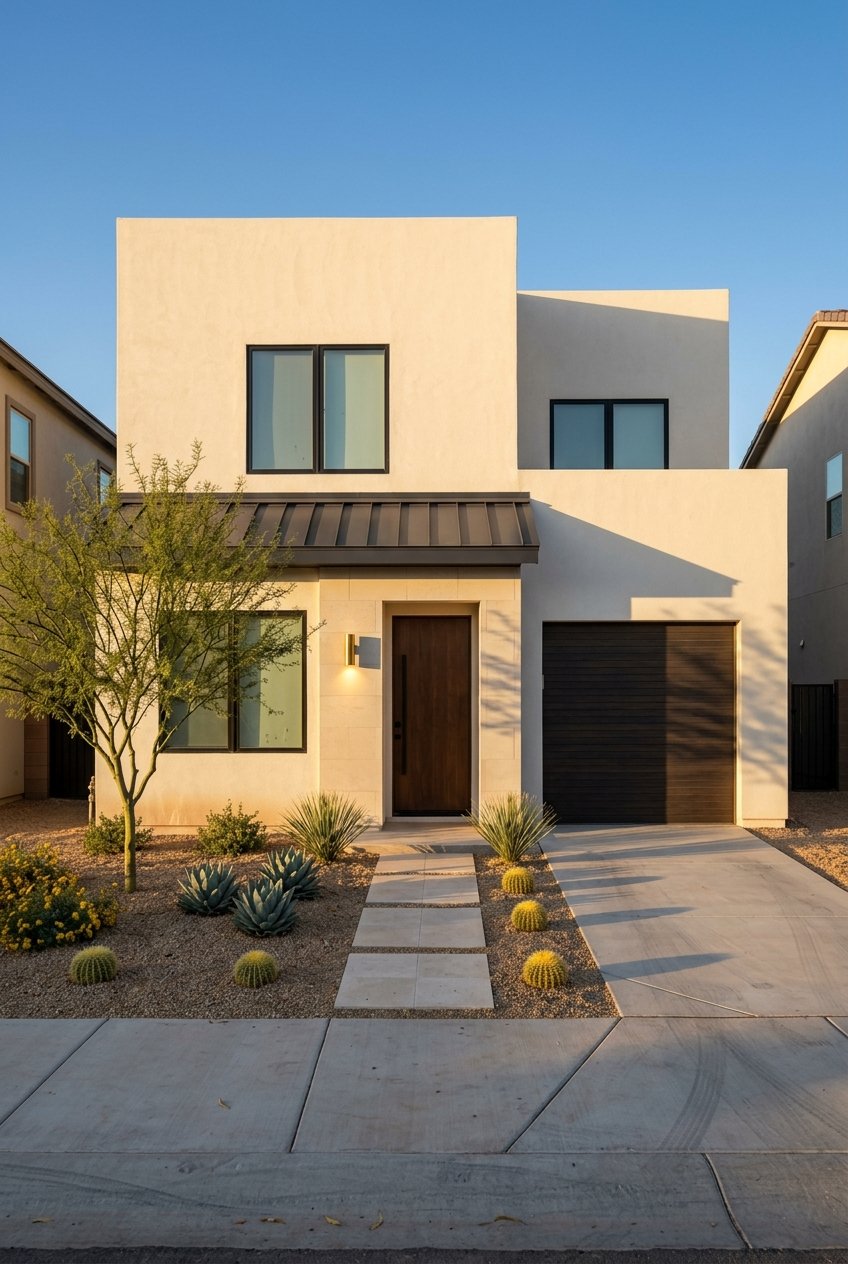
Thinking about buying a brand-new home in Buckeye? You are not alone. As Buckeye keeps growing, new construction is a major part of the local housing picture, which means buyers have more options, but also more details to sort through. If you want a smoother path from model-home tour to closing day, this guide will help you understand what to watch, what to ask, and how to make smarter decisions. Let’s dive in.
Why Buckeye Stands Out
Buckeye is one of the fastest-growing cities in the West Valley. The U.S. Census counted 91,502 residents in 2020, and the city’s housing information shows a 2024 to 2025 local estimate of about 119,000 residents. That kind of growth helps explain why so many buyers are looking at newly built homes here.
Growth also affects how you evaluate a community. Buckeye’s General Plan serves as a long-range blueprint for development, and the city states that master planned communities are incorporated by reference. For you as a buyer, that means the neighborhood you choose today may continue to change as surrounding phases, roads, and amenities take shape.
How New Construction Differs
Buying a new construction home in Arizona is not the same as buying a resale home. In a resale transaction, buyers often work from more familiar forms and contingencies, such as loan, inspection, and appraisal timelines. New construction usually comes with builder-specific paperwork, subdivision documents, and a more development-focused process.
In Buckeye, that difference matters because many homes are in large planned communities with future phases still underway. You may be choosing a home based on a model, floor plan, or unfinished lot rather than a completed property with a known history. That can be exciting, but it also means you need to pay close attention to documents, timelines, and what is actually included.
Read the Public Report First
One of the most important Arizona-specific steps is reviewing the subdivision Public Report before you sign a purchase contract. The Arizona Department of Real Estate requires that report to be provided before contract signing. It covers issues such as flooding and drainage, adjacent land uses, utility providers, community and recreation facilities, taxes and assessments, HOA details, and assurances for completion of improvements.
Just as important, ADRE warns that not all information in the report is independently verified. That means you should treat the Public Report as a starting point, not the final word. If something could affect your finances, your lot, or your use of the property, verify it before you commit.
Understand the Builder Contract
Builder contracts often feel longer and more customized than resale contracts. That is because they are tied to the specific subdivision, development schedule, and builder process. You should expect language about deposits, construction timing, design selections, and completion terms that you would not usually see in the same way on a resale purchase.
Earnest money is one area where the details really matter. ADRE says the contract must disclose where earnest money will be deposited, and if the money is paid directly to the seller instead of a neutral escrow depository, you must initial that disclosure. Before signing, make sure you understand where your funds are going and under what terms.
Arizona also treats written offer and acceptance as the point where a real estate contract exists. In plain terms, verbal promises at the sales office are not enough. If the builder is offering closing-cost help, a lot premium adjustment, an upgrade package, or a timeline commitment, those terms should appear in writing in the signed documents or addenda.
Budget Beyond the Base Price
The base price is only part of the story with a new build. Many buyers are drawn to new homes because they can choose finishes, layouts, appliances, paint colors, and other design features. That personalization can be a major benefit, but it can also raise your final cost faster than expected.
When you compare homes, ask for a clear breakdown of what is included in the base price and what costs extra. Flooring, cabinets, countertops, lighting, landscaping, and premium lots may all affect the final number. It is also smart to ask when selections lock and whether your choices could affect financing or construction timing.
Choose the Lot Carefully
In Buckeye, the lot can be just as important as the house. ADRE advises buyers to visit the site before signing, review city or county zoning maps, and check Arizona Department of Transportation maps for future freeway routes or road widening. In a growing area, what surrounds your lot today may not be what surrounds it a few years from now.
This is especially relevant in a city shaped by large master planned communities and long-range development. A lot near open land may sound appealing, but you should ask what is planned nearby. Future roads, adjacent land uses, utility locations, and ongoing buildout can all affect your day-to-day experience.
You should also review the CC&Rs carefully. ADRE notes that HOA rules may affect items like landscaping, RV parking, play equipment, and other common uses. If you have specific plans for your yard or driveway, check the rules before you fall in love with a lot.
Ask About HOA, CFD, and Fees
Sticker price does not tell you the full monthly cost of ownership. In Buckeye, some newer communities are tied to Community Facilities Districts, or CFDs, which help finance public infrastructure early in development. The city lists CFDs connected to areas including Anthem Sun Valley, Festival Ranch, Floreo at Teravalis, Sundance, Tartesso West, Verrado District 1, and Westpark.
That does not automatically make a home more or less attractive. It does mean you should ask direct questions before comparing one builder or community against another. Review whether the property has an HOA, a CFD, special assessments, or other recurring fees so you can compare homes on total cost, not just base price.
Water Matters in Buckeye
Water should be part of your new-home checklist in Buckeye. The city says it relies almost entirely on groundwater, and its 2025 water-rate information notes that the Water Resources Department serves nearly 33,000 water customers and more than 35,000 wastewater customers. In a desert market with rapid growth, water planning is not a small detail.
That does not mean you need to be alarmed. It means you should ask practical questions. Find out who provides water service, what the landscape requirements are, whether the builder includes water-efficient fixtures, and what irrigation setup the lot uses.
Buckeye’s conservation efforts also encourage efficient fixtures and water-wise landscaping. If you are comparing communities, these details may affect both your utility costs and how much yard maintenance you want to take on.
Plan for a Longer Timeline
New construction often takes more time than buyers expect. Industry guidance referenced in the research shows many builds average about eight months, while custom homes can take much longer. Even production homes can involve permits, design selections, inspections, walk-throughs, and scheduling changes.
That makes planning especially important if you are coordinating a lease end, school-year timing, or the sale of your current home. Ask the builder what milestones to expect and which dates are estimates rather than guarantees. A clear timeline conversation upfront can help you make better moving plans and avoid surprises.
Why Independent Representation Helps
One of the biggest misunderstandings in new construction is agency. ADRE is clear that the seller’s broker does not represent you as the buyer. If you visit a new-home development without your own representative and continue without one, you are not being represented by the developer’s agent.
That is why many buyers choose independent representation. A buyer’s agent can help you compare builder contracts, review the Public Report, flag lot and zoning questions, and keep track of deadlines tied to selections, inspections, and closing steps. In a process with a lot of moving parts, that extra layer of guidance can help you stay organized and informed.
A Smart Buckeye New-Build Checklist
Before you sign on a new construction home in Buckeye, make sure you have answers to these questions:
- Have you reviewed the subdivision Public Report?
- Have you verified key facts that affect the lot, fees, or surrounding land uses?
- Do you know what is included in the base price?
- Do you know which upgrades cost extra?
- Have you asked when design selections must be finalized?
- Have you reviewed the CC&Rs and HOA documents?
- Have you asked whether the community includes a CFD or other special fees?
- Have you checked nearby roads, zoning, and future development plans?
- Do you understand where earnest money will be deposited?
- Are all builder promises written into the contract or addenda?
Buying new construction can be a great fit if you want a newer floor plan, modern features, and the chance to personalize your home. In Buckeye, it also means buying into a fast-changing market where the community around your home may still be taking shape. The more clearly you understand the documents, costs, and location details, the better prepared you will be to move forward with confidence.
If you are comparing new construction communities in Buckeye and want clear, low-pressure guidance through the process, the team at Tag Team AZ is here to help you make a smart move.
FAQs
What should you read before buying new construction in Buckeye?
- You should read the Public Report, the builder purchase contract, the CC&Rs, and any HOA or CFD documents before signing.
How is a Buckeye builder contract different from a resale contract?
- A builder contract usually includes subdivision-specific terms, Public Report disclosures, deposit details, and construction-related timelines that differ from a typical Arizona resale transaction.
What should you ask about a Buckeye new-construction lot?
- Ask about adjacent land uses, future roads, zoning, utility providers, water service, and whether the surrounding area is still in an active buildout phase.
Why do water questions matter when buying in Buckeye?
- Water matters because Buckeye relies almost entirely on groundwater, and local conservation, infrastructure, and usage details can affect both your property planning and monthly costs.
Why use an independent agent for a Buckeye new build?
- An independent agent can help you review documents, compare communities, track deadlines, and represent your interests because the builder’s sales representative works for the developer, not for you.