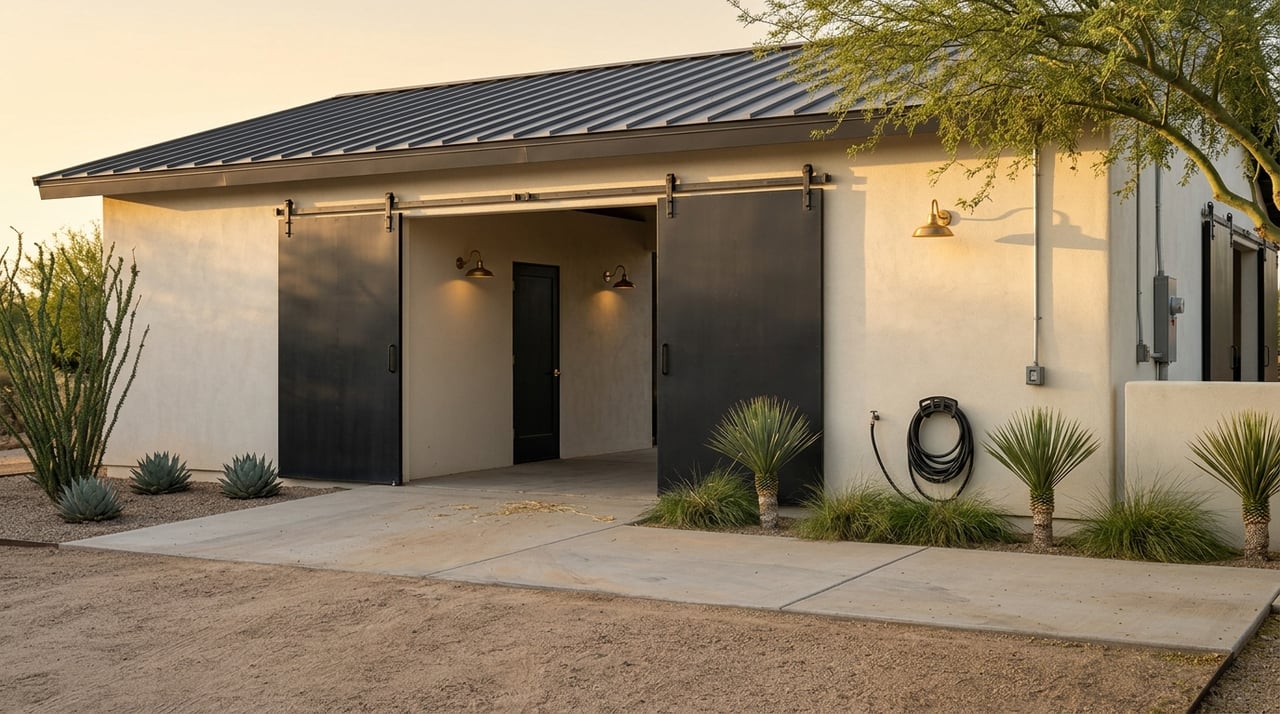
Buying horse property in Wickenburg can feel exciting and a little tricky at the same time. You may be picturing riding access, room for your horses, and a home that fits your lifestyle, but the details behind the property matter just as much as the view. If you want to avoid surprises, a little early due diligence can go a long way. Let’s dive in.
Why Wickenburg Stands Out
Wickenburg is one of those Arizona communities where horse use is part of the local identity. The town highlights trail systems that support saddle riding along with hiking, biking, and OHV use, and it points residents and visitors to area trail maps developed with BLM support.
That local trail culture adds real appeal for buyers who want more than just acreage. The town also notes horse-friendly camping at Constellation RV Campground, and BLM says the Hassayampa River Canyon Wilderness, about eight miles northeast of Wickenburg, allows horseback riding.
Start With Zoning and Lot Size
One of the first things to check is whether the parcel actually allows recreational horse use. According to town guidance, recreational horses are allowed on parcels of 35,000 square feet or more starting with R1-35, while other livestock may require different zoning districts.
That said, zoning is only part of the picture. The town also warns that private CC&Rs may still prohibit horse use, so you should never rely on a listing description alone.
A smart first step is to verify the parcel through the town’s Community Development resources. Wickenburg provides an interactive map with parcel ownership, zoning, and land-use layers, which helps you confirm what you are really buying before you move forward.
Why Current Rules Matter
Wickenburg is updating its zoning code, so horse-related standards may change over time. The town posted a public draft in 2026 and held a public open house, which means buyers should confirm current requirements directly with the town before making decisions.
In the February 2026 draft, horse corrals in AR, R1, and R2 districts would be limited to side or rear yards on lots under two acres. The same draft includes 4-foot setbacks from lot lines and manure-management rules.
Check CC&Rs Before You Fall in Love
A property can look perfect for horses and still come with private restrictions that limit how you use it. That is why CC&Rs deserve the same attention as zoning, especially in areas where horse use may seem common.
Before you get too attached, ask for all recorded restrictions and review them carefully. If the property is part of a subdivision or planned area, confirm whether barns, corrals, fencing, or horse keeping are restricted in any way.
Understand Utilities and Rural Services
Horse property shopping often includes homes on the edge of town or in more rural settings. In Wickenburg, that can mean utility service is not as simple as it is in a typical suburban neighborhood.
The town’s Code of the West warns that sewer, water, electric, telephone, internet, and cable service may be delayed or unavailable in remote areas. It also notes that some private roads are not maintained by the town, which can affect convenience, upkeep, and access planning.
Wickenburg’s Public Services Department handles water, wastewater, electric, sanitation, and right-of-way permitting. That makes utility confirmation an important part of your early research, not something to save for later.
Water, Wells, and Septic
If the property depends on a well, you will want to understand that process clearly. The Arizona Department of Water Resources regulates groundwater wells and requires a Notice of Intent to Drill before drilling or modifying a well.
If the home uses septic, Maricopa County says its Environmental Services Department requires permit review or approval for new systems, alterations, and many remodels. Many building jurisdictions also require septic verification before permits or occupancy, so septic status should be confirmed early.
Verify Access and Easements
Access is one of the most important parts of buying horse property. A long driveway, private road, or route through a wash may seem fine during a quick showing, but the legal details matter.
Wickenburg’s Code of the West warns buyers to verify deeded access and utility easements, especially when access crosses another parcel or runs through a wash. The town also notes that fences may not line up with legal boundaries, which is why title work and a survey can be so valuable.
Private Roads Need Extra Attention
Many horse properties rely on private roads that are not town-maintained. That means you should ask who maintains the road, how maintenance is handled, and whether any right-of-way permit issues apply.
This can affect your day-to-day use of the property, especially if you plan to haul horses, trailers, hay, or equipment. A property that looks easy to reach on paper may require more investigation on the ground.
Review Drainage, Floodplain, and Slope
In Wickenburg, land conditions are not a side issue. They are a central part of deciding whether a horse property fits your plans.
The town’s Planning & Zoning page says floodplain administration is handled by the Maricopa and Yavapai County Flood Control Districts. The town also explains that flood rules exist in part to keep people from buying land unsuited to its intended use because of flood hazard.
The Code of the West adds that washes can be dangerous during heavy rains. It also notes that homes near washes or slopes can experience runoff through the property.
Why an On-Site Walk Matters
Photos and maps only tell part of the story. Walking the land can help you spot drainage channels, slope changes, low areas, and access challenges that may affect barn placement, corrals, trailer movement, or future improvements.
The town also notes that a geotechnical study may be needed before an individual sewage disposal system permit and building permit. If the parcel has unusual terrain, this becomes even more important.
Look Closely at Riding Access
For many buyers, riding access is one of the biggest reasons to choose Wickenburg. But there is a difference between being near riding areas and having practical, legal access to them.
The town says its trail systems serve saddle riders along with other users, and the Trails Commission has worked with BLM on area maps. The Wickenburg Trails Foundation also describes a trailhead with hitching posts and parking for roughly 40 horse trailers or RVs.
BLM says the Hassayampa River Canyon Wilderness is open to horseback riding. BLM also notes that recreational use of nearby state trust land requires a permit from the State of Arizona, and the Arizona State Land Department describes that recreational permit as the authorization for limited recreation on state trust land.
Trail Easements Can Affect Ownership
Some properties are marketed for trail access, but buyers should understand what that can mean legally. Wickenburg warns that trail easements crossing private property may not be fenced, blocked, or made impassable, even if they appear unused.
That is an important detail if privacy, fencing plans, or property layout matter to you. It is another reason title review and a survey are worth prioritizing.
Ask About Improvements and Permits
If you are planning to add a barn, corral, shade structure, or other horse-related improvements, do not assume they will be treated as simple add-ons. The town says many projects can require approvals such as a variance, zone change, site plan review, special use permit, right-of-way use permit, septic permit, building permit, or zoning clearance.
That does not mean your plans will not work. It simply means the best time to check is before you buy, not after closing.
A Practical Horse Property Checklist
Before you make an offer, it helps to evaluate the property as both a home and an equestrian site. A focused checklist can keep you from missing the issues that matter most.
- Confirm zoning, lot size, and CC&Rs
- Verify whether horse use, barns, or corrals need permits or approvals
- Review boundary lines, deeded access, and utility easements
- Ask who maintains the road and whether it is town-maintained or private
- Confirm water source, power availability, and septic status
- Review drainage, floodplain, slope, and wash conditions
- Check for trail easements, nearby public land access, and any permit requirements for recreational use
- Walk the property in person to evaluate layout, access, and usable space
The strongest due diligence steps in Wickenburg usually include zoning verification, title and easement review, utility confirmation, and an on-site review of drainage and access conditions. Those steps can help you make a confident decision and avoid costly surprises later.
If you are exploring horse property in Wickenburg, a careful approach can make the process much smoother. The right property should support both your day-to-day living and your long-term plans for horse use, and having the right guidance can help you sort through the details with confidence. When you are ready for a thoughtful, low-pressure approach, connect with Tag Team AZ.
FAQs
What zoning should you check for horse property in Wickenburg?
- Town guidance says recreational horses are allowed on parcels of 35,000 square feet or more starting with R1-35, but you should also confirm current standards directly with the town because zoning rules are being updated.
Do CC&Rs matter when buying horse property in Wickenburg?
- Yes. The town says CC&Rs may still prohibit horse use, so zoning approval alone is not enough.
What utilities should you verify on a Wickenburg horse property?
- You should confirm water, wastewater or septic, electric, and road access because the town warns that some remote areas may have delayed or unavailable services and some roads are private.
Do you need to review access easements on horse property in Wickenburg?
- Yes. The town warns buyers to verify deeded access and utility easements, especially if access crosses another parcel or runs through a wash.
Can floodplain or drainage affect horse property in Wickenburg?
- Yes. The town says washes can be dangerous in heavy rains, runoff can cross properties near washes or slopes, and flood rules help identify land that may not suit its intended use.
Is nearby state trust land open for horseback riding near Wickenburg?
- Recreational use of nearby state trust land requires a permit from the State of Arizona, according to BLM and the Arizona State Land Department.
Why is an on-site walk important for a Wickenburg horse property?
- An on-site walk can help you evaluate drainage, slope, access, usable space, and how the property may function for horses, trailers, and future improvements.